
Cost Savings vs. Risk Transfer: A VE Reality Check
When VE decisions target windows, doors, or roofing, the problem isn’t just the line-item cost — it’s that these systems are deeply tied to code compliance, energy performance standards, and insurance inspection & underwriting risk. Ignoring any of these can erase the savings you thought you achieved.
⚖️ 1. Code Compliance Isn’t Optional
These products are not just architectural decisions — they’re code-mandated performance elements.
Energy Codes (IECC & ASHRAE 90.1): The International Energy Conservation Code (IECC) and ASHRAE Standard 90.1 set minimum energy performance requirements for building envelopes — including fenestration (windows/doors) and roof assembly performance. These codes are widely adopted across states and local jurisdictions and carry legal enforcement through permitting.
Fenestration Ratings (NFRC): Windows and doors must have certified performance ratings (U-factor, SHGC, etc.) from the National Fenestration Rating Council (NFRC) to demonstrate compliance with energy codes. These ratings are required for code compliance paths, not optional specs.
If your VE swap on windows or doors moves you off NFRC-rated products or off performance targets — even if the initial cost is lower — you can fail your energy compliance check at permit review and be forced back into costlier options.
See the bottom of the article for the most up to date links on these two codes.
🌡️ 2. Energy Performance Drives Design & Cost
Code isn’t just paperwork — it drives actual building performance that affects HVAC sizing, cooling/heating loads, and long-term operating costs:
Roofs and exterior envelope components are part of U-factor and overall thermal performance calculations under IECC/ASHRAE compliance. Energy Codes
Non-compliant fenestration or roof insulation tweaks often mean compensating elsewhere — more insulation, bigger mechanical equipment, or tighter air barrier work — which eats into any VE savings.
In many jurisdictions, compliance documentation or field verification is required before projects can proceed (e.g., California 2025 multifamily energy compliance registration). California Energy Commission
🏢 3. Inspections & Insurance Risk Are Real Cost Drivers
Cutting corners on roof, door, or window quality doesn’t just risk code failure — it can have insurance impacts that hit you hard.
Builder’s Risk & Property Insurance: During construction, builder’s risk coverage insures the structure and materials against damage — and insurers will assess risk based on the durability of materials and exposure before issuing or pricing coverage. Multifamily Loans
Roof Condition Matters: Roof materials, age, and installation quality are key underwriting considerations. Older or lower-performance roofs can lead to higher premiums, limited coverage, or even denial of coverage post-construction. III
Resilient Construction Standards: Optional but increasingly used standards like FORTIFIED address how roof and envelope choices affect resilience and insurance risk. Developers adopting stronger roof systems can sometimes reduce long-term claims risk (and in some markets, access better terms). FORTIFIED - A Program of IBHS
In plain terms: if a window, door, or roofing material fails early or underperforms, it can trigger claims or push the property into a worse risk category with insurers — which can outweigh any upfront VE savings.
What This Means for VE Decisions
VE should never be divorced from these three realities:
✅ Code compliance isn’t negotiable — you must build to the adopted energy code (IECC/ASHRAE 90.1). ✅ Energy performance affects more than utility bills — it shapes mechanical sizing, durability, and long-term cost. ✅ Insurance views envelope performance as risk — warranty limitations and product performance can raise commercial insurance costs over time.
Cutting line-item costs without considering how products tie into these systems is one of the main reasons value engineering “fails” — either forcing redesigns, delaying permits, or increasing total project cost through compensating scope changes.
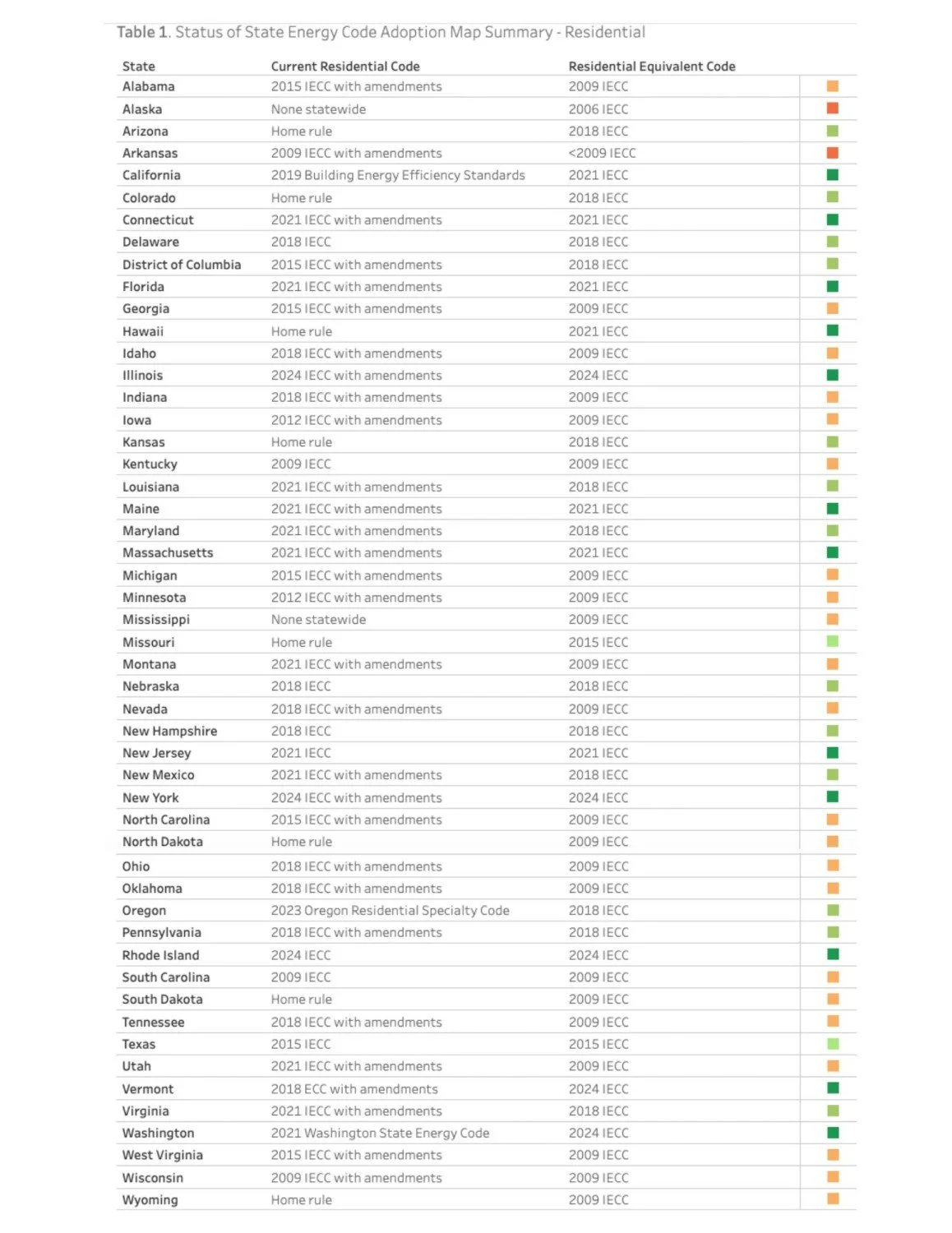
Please see the most updated list below generated by the US Department of Energy as of todays date of January 6, 2026.
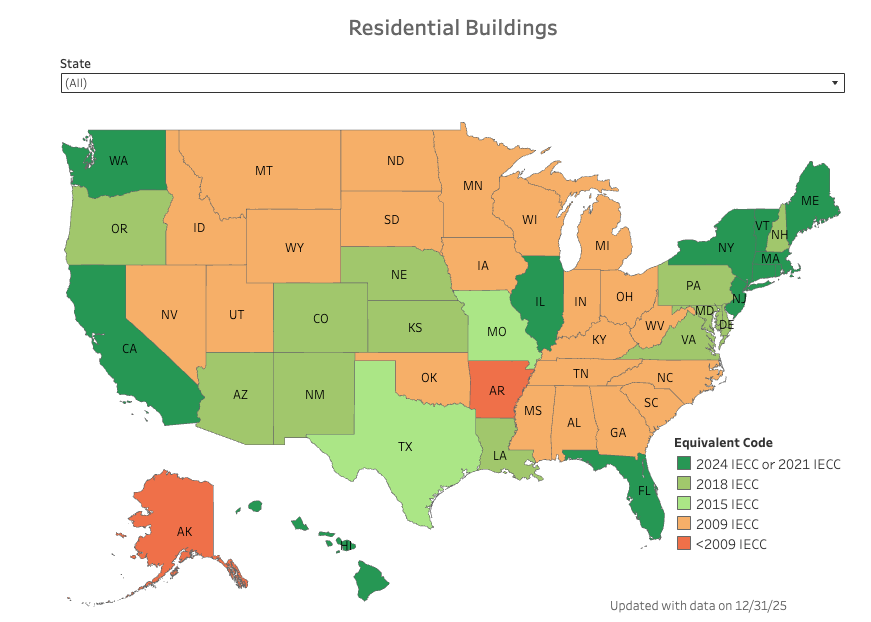
State Portal from US Department of Energy
Below is a link to take a look at when determining what codes need to be checked for windows in multifamily, taken from the website for state codes from the Consumer Guide for National Fenestration Rating Council.
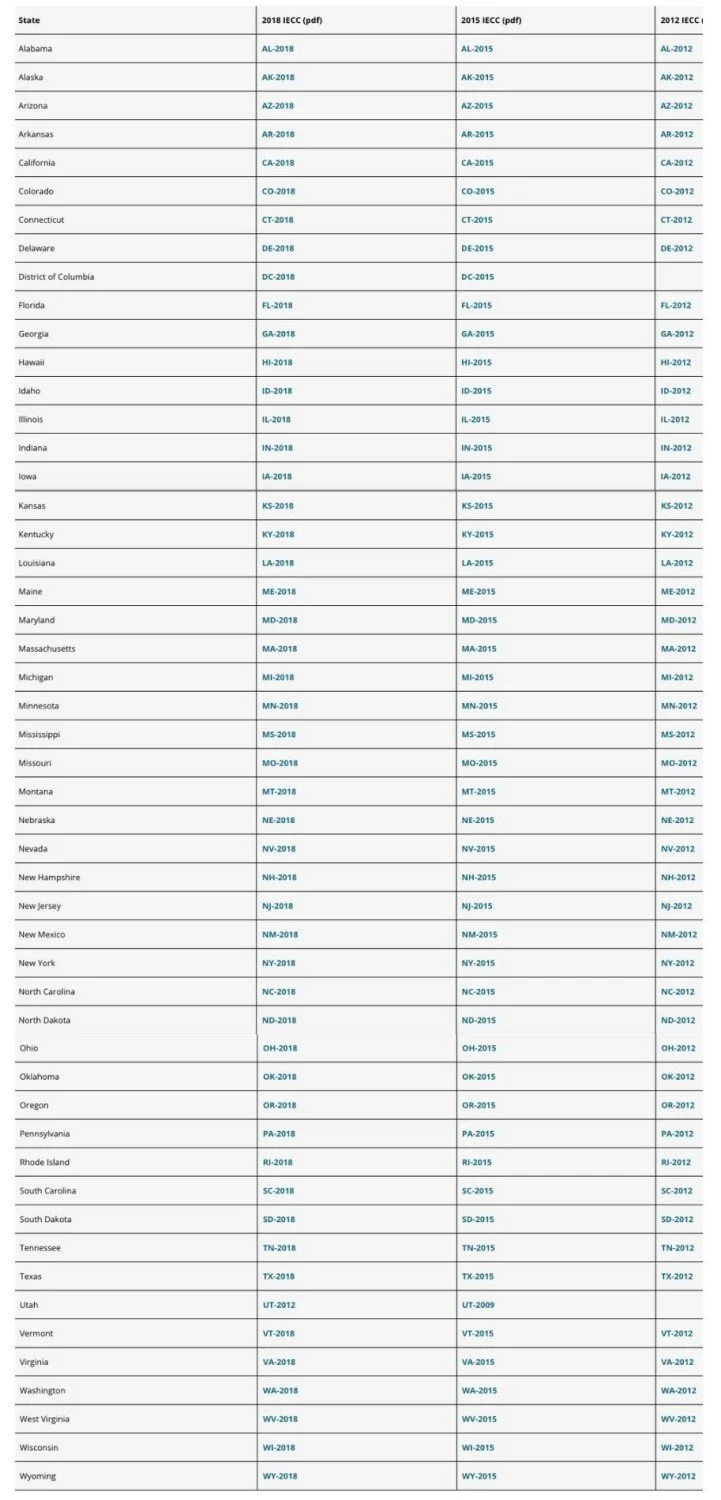
NFRC.org state codes
When it comes to building code compliance in terms of closet doors, there are a few that could cost a lot for Developers of Multifamily. Since this is such a niche topic, I want to share my expertise with you in terms of what codes affect your interior closet door selection.
The main being: mechanical air flow requirements behind those laundry units. Every state as a different adoption requirement, but don't fear. . . as listed above, just click on your applicable state for the project below to confirm.
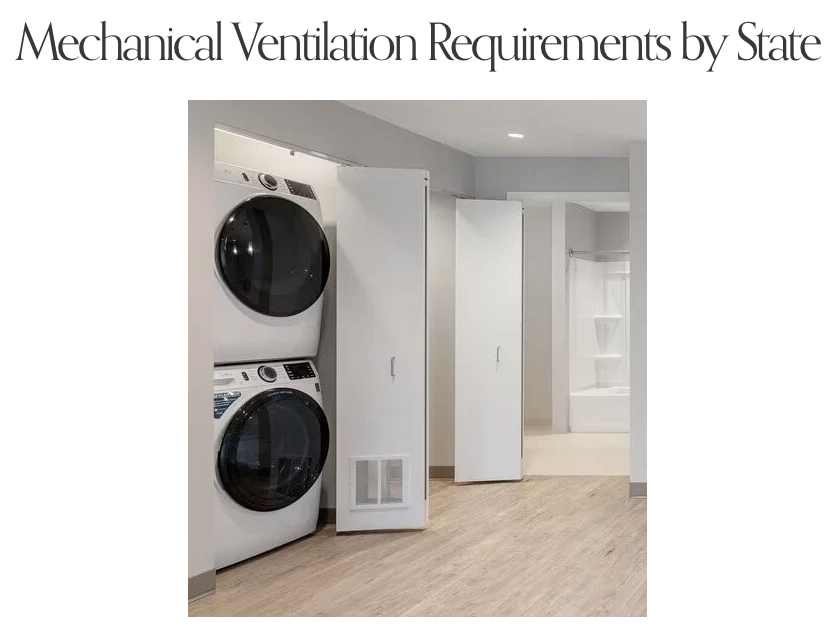
Click here for a link to your state’s mechanical code requirements.
Let's take a deeper look at the requirements for the state of Illinois, as this is where our corporation is based.
In the state of Illinois, the building code as of today's date, January 6, 2026, states that the adequate air flow behind the closet door opening needs to have 100 square inches of free air, in order to have enough air flow according to the Illinois Mechanical Code in 2024.
This is often the standard per state, the magic air flow number of 100 square inches of free air.
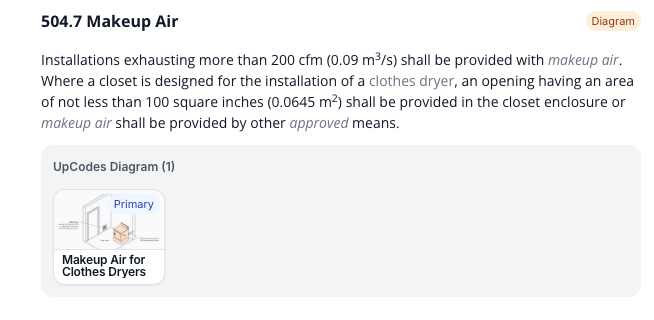
According to UP codes
In order to remain compliant, make sure that the closet door opening has at least 100 square inches of free air surrounding it.
Once again, every single closet door has a different amount of air flow requirements. Let's take a look at a few popular multifamily closet doors to see what is needed to meet this requirement, as well as the price listed.
Landquist and Son's Magiglide closet door:
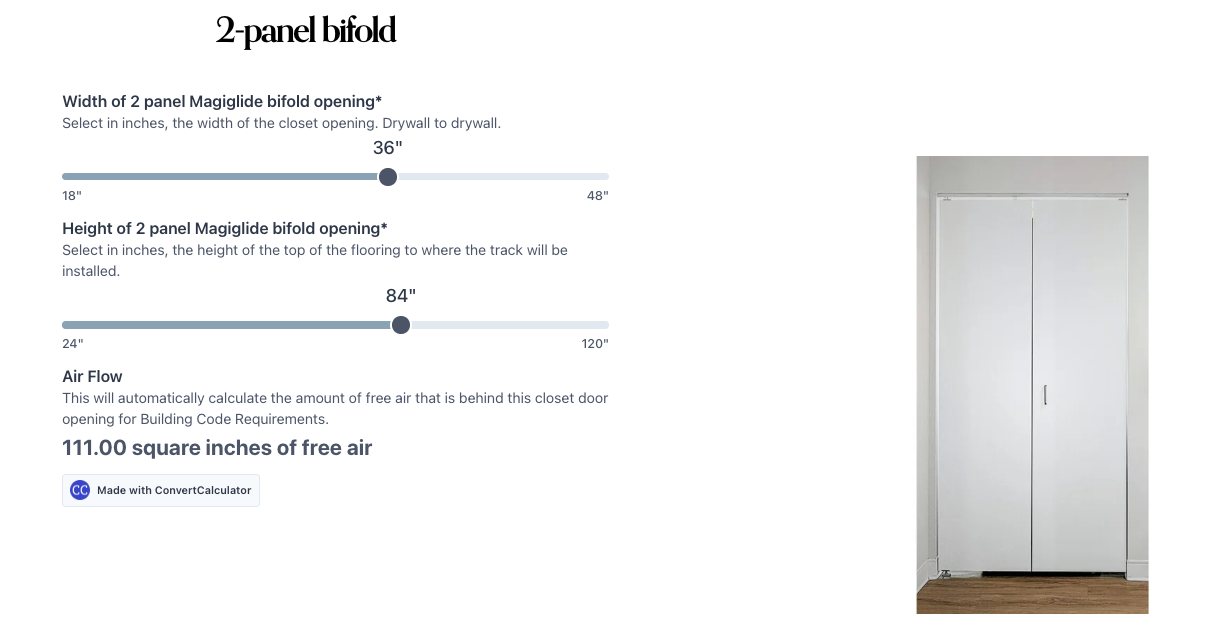
landquist.com
Above, you can see that in the requirements of 36" wide by 84" tall, the air flow is at 111, which is compliant with code-unvented. Landquist.com provides a nice air flow calculator for this very purpose.
Information below was generated from JELDWEN and MASONITE's technical specifications located on their website.
For a 36" wide by 84" tall 2-panel bifold closet door, the air flow is calculated to 87 square inches of free air. This means that you would have to purchase a louvered bifold or standard door for this type of closet opening.
For a 36" wide by 84" tall 2-panel bifold closet door, the air flow is calculated to 64.5 square inches of free air. This means that you would have to purchase a louvered bifold or standard door for this type of closet opening.
As you can see, a small oversight of building code compliance can save a developer so much money. Small VE decisions from the PreDesign, based on this knowledge, are the way to go on a large-scale multifamily development.
Until the next door opens,
Tracy